
Though football is a result oriented game but you will have to agree with me that performance matters a lot, especially when you are considered the powerhouse of women’s football on the continent.
The Nigeria women’s football team is the only women’s national team from the Confederation of African Football to have reached the quarterfinals in both the FIFA Women’s World Cup and Football at the Summer Olympics.
Winning a record nine of eleven Africa Women Cup of Nations titles, Nigeria is the only African team with most appearances at the FIFA Women’s World Cup.
However, these honours are quite becoming a thing of the past as many African teams are now catching up to the supposed giant of Africa.
The federation has tried different approaches to ensuring the giants never fall, moving on to employing foreign tacticians after trying out the veterans of the team and some home-based coaches, but something seems not working.
Could it be lack of competitive friendly games?
It is no surprise how disparate the Super Falcons team used to be cobbled together in the shortest time frame possible and expected to perform optimally with very little preparation, yet still managed to deliver when called upon based on individual brilliance.
After winning the AWCON in December 2016, the team did not have a game until April 2018, months before the next tournament.
The 2018 AWCON was an indication that Nigeria’s dominance on the continent was under threat. Beating Cameroon and South Africa in the semi-final and the final respectively, Nigeria was taken to penalties before winning both games.
A better preparation yielded a better result but does the performance improved?
Heading into the 2019 FIFA Women’s World Cup, NFF showed to have got its act together and ensured that the team had a much better preparation.
Nigeria featured in the Meizhou Four Nation Tournament, the Cyprus Cup, and had a training camp in Spain, where they played a friendly against Canada before their final preparations in Austria. All these didn’t just happened overnight, it was all thanks to the big names in the team who publicly clamoured for more games.
Replacing the Super Falcons legend Florence Omagbemi, who had won an AWCON title and made the FIFA Coach of the Year shortlist, Thomas Dennerby –who won Bronze with Sweden at the 2011 World Cup– was brought in and the Federation now hopes that the Super Falcons can transfer their continental success to the global stage.
For a team that has not gone past the group stage since 1999, getting into the last 16 was considered an achievement for the Dennerby’s Falcons.
What next for the Falcons team?
Shortly after the 2019 World Cup, coach Thomas Dennerby announced he is stepping down as the head coach of the Super Falcons.
Why?
Rumour has it that the Swede in his resignation letter claimed he quit his position because of unfulfilled contractual obligations including unpaid wages and a lack of cooperation from the NFF and their failure to provide accommodation for him in Nigeria.
Shortly after, NFF released a statement to clear the air.
The NFF in their statement, however, claimed that the fall-out with Dennerby was because they had refused his request to bring in more expatriate coaches.
“Perhaps, one of the reasons he left was because we did not accede to his request to bring in more expatriate coaches and an indigenous coach who do not have the required license,” the NFF said.
“If we had agreed to his request for more expatriate coaches, that would have left our indigenous coaches presently with the team in the lurch.”
Back to square one, a drought for the Falcons.
Since the departure of Thomas Dennerby in October 2019, it took the Nigerian women’s national team one year to get a new head coach as NFF confirmed the appointment of American coach, Randy Waldrum as the new manager of the Super Falcons in October 2020.
Changing of the guard:
While teams like USA, Brazil, France, Germany, among others keep their players together for long while introducing the youngsters one at a time, Nigeria choose to run before walking.
Coming back from the World Cup and preparing for the Olympics, the acting coach of the time, coach Christopher Danjuma invited about seven fresh legs to blend with the World Cup team, and Nigeria crashed out of the Olympic Qualifier on away goal rules against Cote d’Ivoire.
In an opened interview, some of the big names in the team complained about having to start the team chemistry all over after every tournament, with too many new players introduced to the team.
Some blamed not having enough competitive friendly matches before the qualifier. The team played friendlies against Confluence Queens and some home-based academy.
Back to the drawing board, coach Randy Waldrum gets support of the NFF in getting a very competitive friendly games when his side travelled for the Turkish Women’s Cup in February, then to USA for the Summer Series in June, but winless in their three-match campaign, after which the team camped in Austria for friendlies.
However, the problems are still there.
Aisha Buhari Cup: The eye opener tournament?
Aisha Buhari Cup is a six-nation invitational friendly organized in honor of the name and office of the First Lady of Nigeria.
The tournament which is now recognized and planned to be adopted by FIFA and CAF as a team ranking tournament held its inaugural edition in Lagos over a course of six days. FIFA President Gianni Infantino and CAF President Patrice Motsepe were on ground to witness the intriguing opening game.
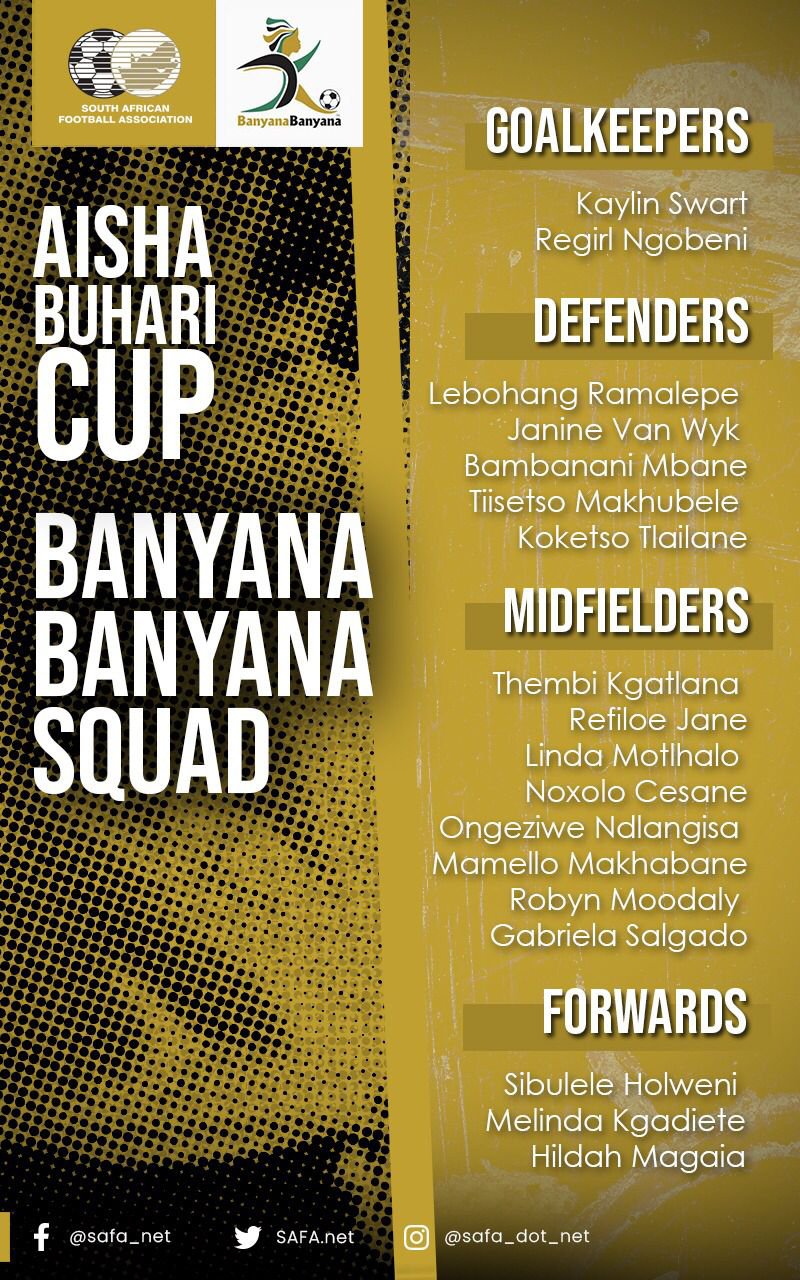
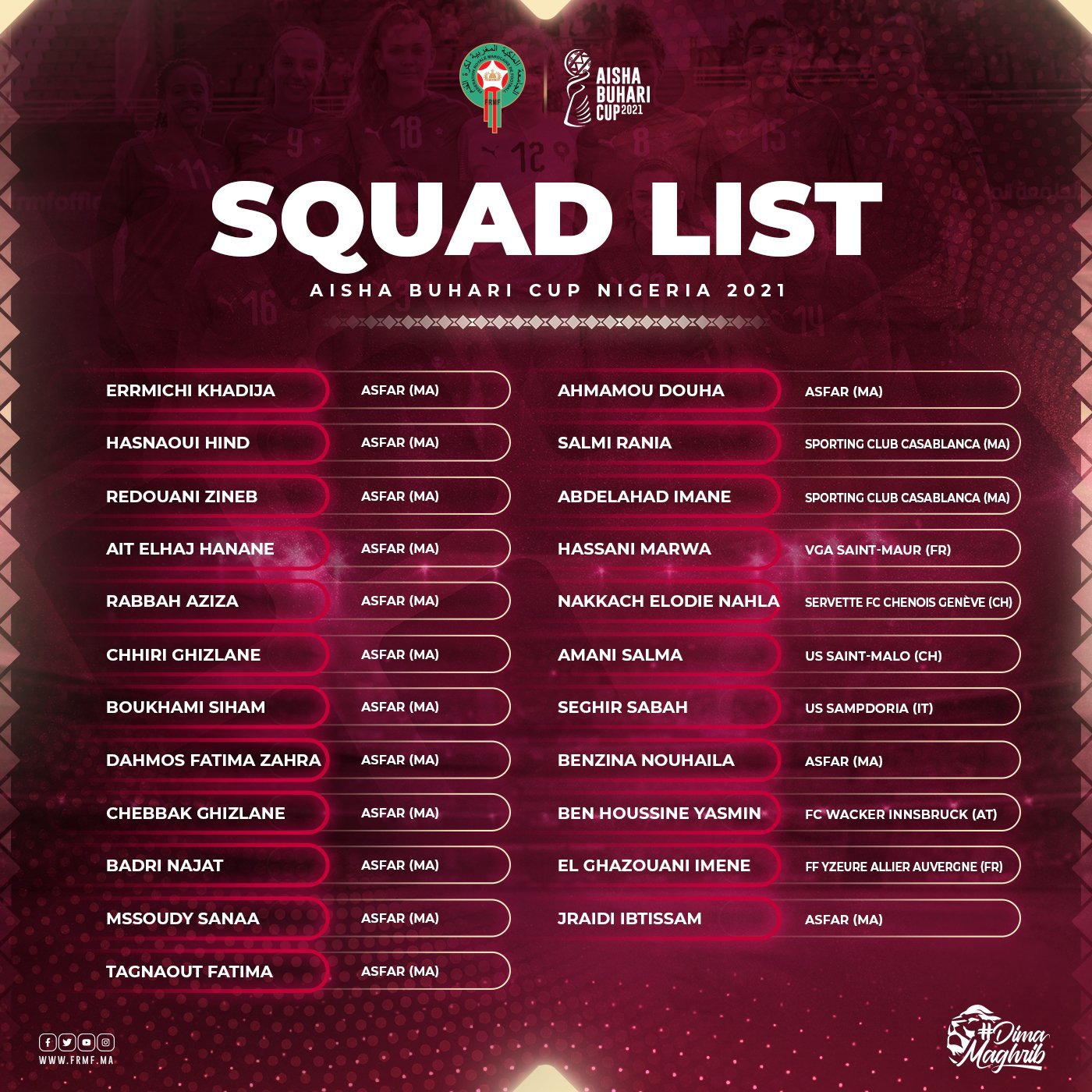
Mali, Cameroon, Ghana, Morocco and South Africa joined the host nation Nigeria in what proved to be a thrilling showpiece. Each team played two matches each. Nigeria happened to be the only side with mostly foreign based players.
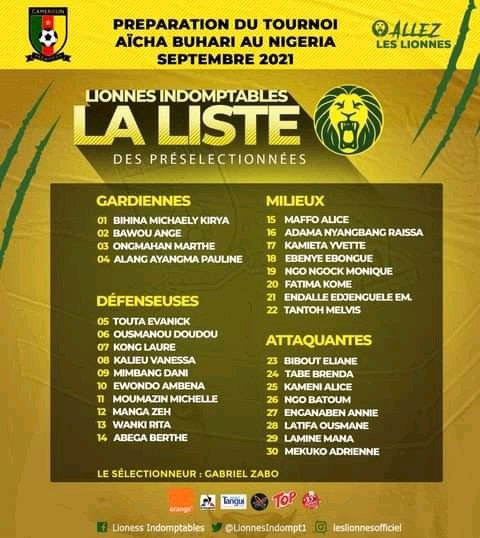
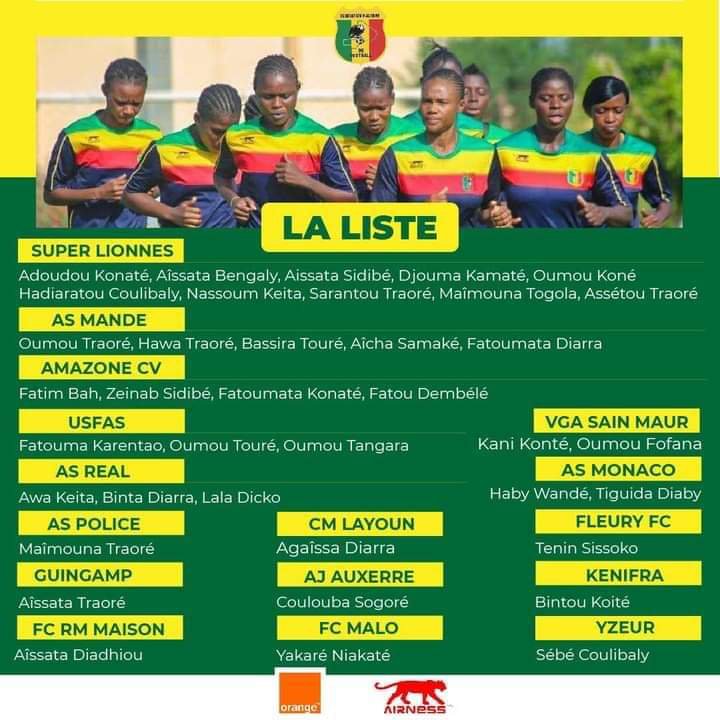
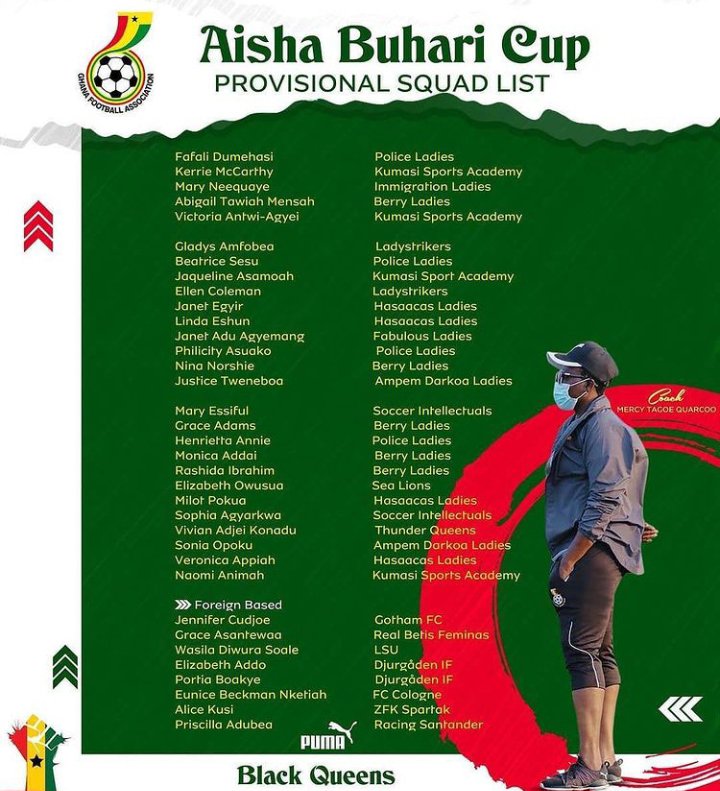

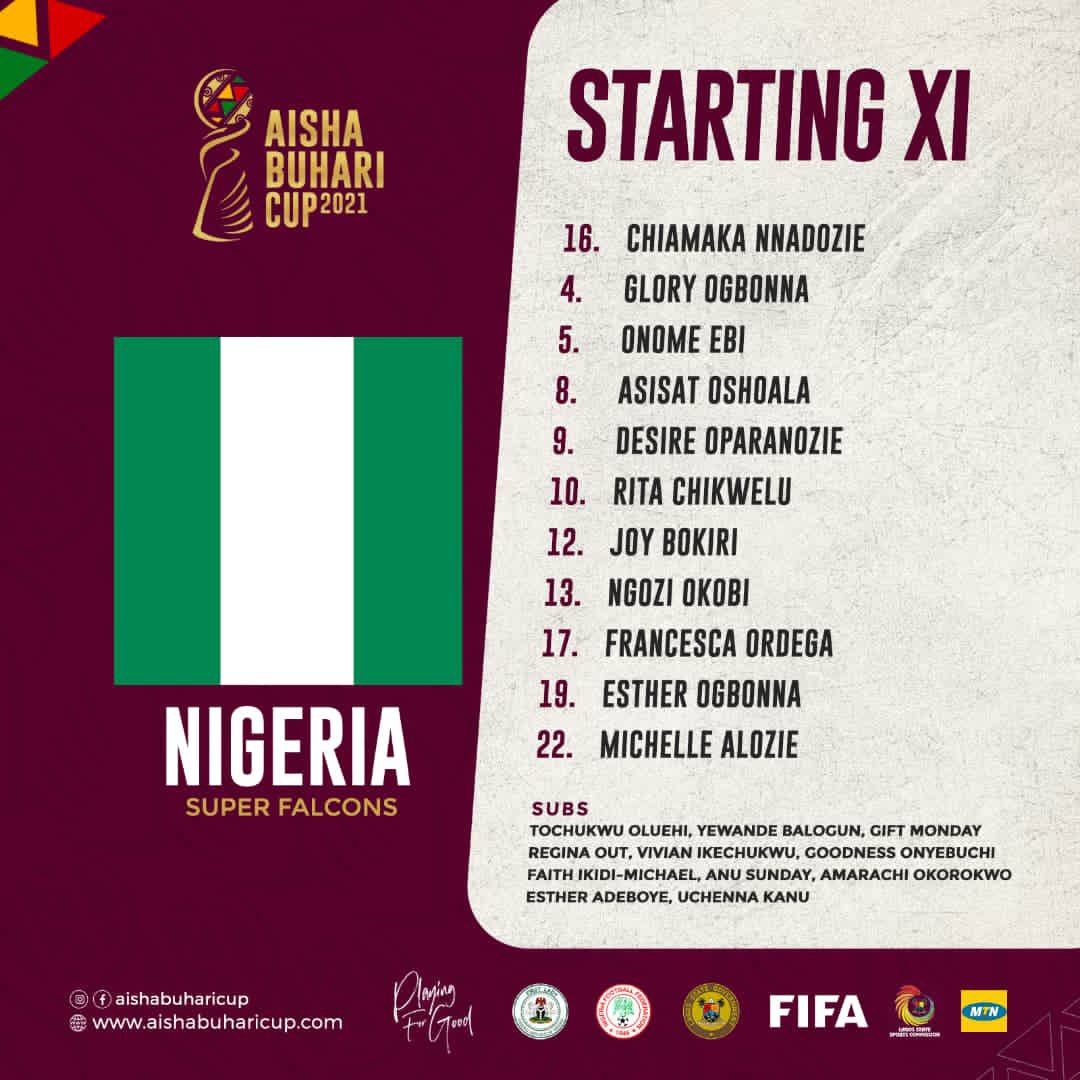
It was day one of the tournament and Nigeria under pressure to impress in the presence of Infantino and Motsepe, face Mali.
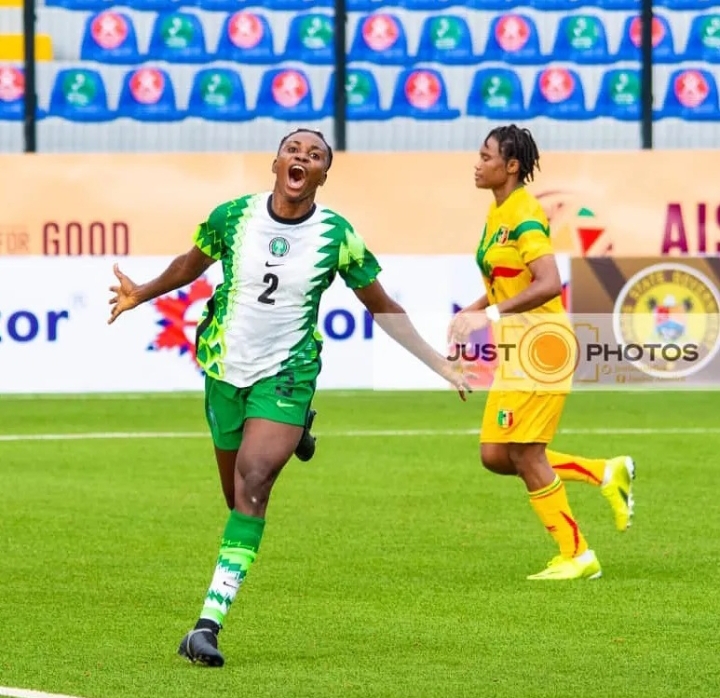
This team playing doesn’t look like Africa Champions in any way. Struggling against Mali despite staging what looked like the best team in Africa, with coach Waldrum starting 10 foreign based players compared to a Malian side whose only star player of the day was Aissata Traore.
Nothing to separate the two sides and Mali looked the better side until some home-based players were introduced to the game and Nigeria won through one of the home-based substitutes, Monday Gift who scored two late goals.
Fast forward to the last day of the tournament, Nigeria played its second game when they face a familiar side whom they defeated on penalties shootout at the last AWCON.
Different games, similar lineup and performance. This time coach Waldrum had added three home-based youngies to his lineup. It was crystal cleared that the home-based players had a better performance as they caught the attention of the spectators.
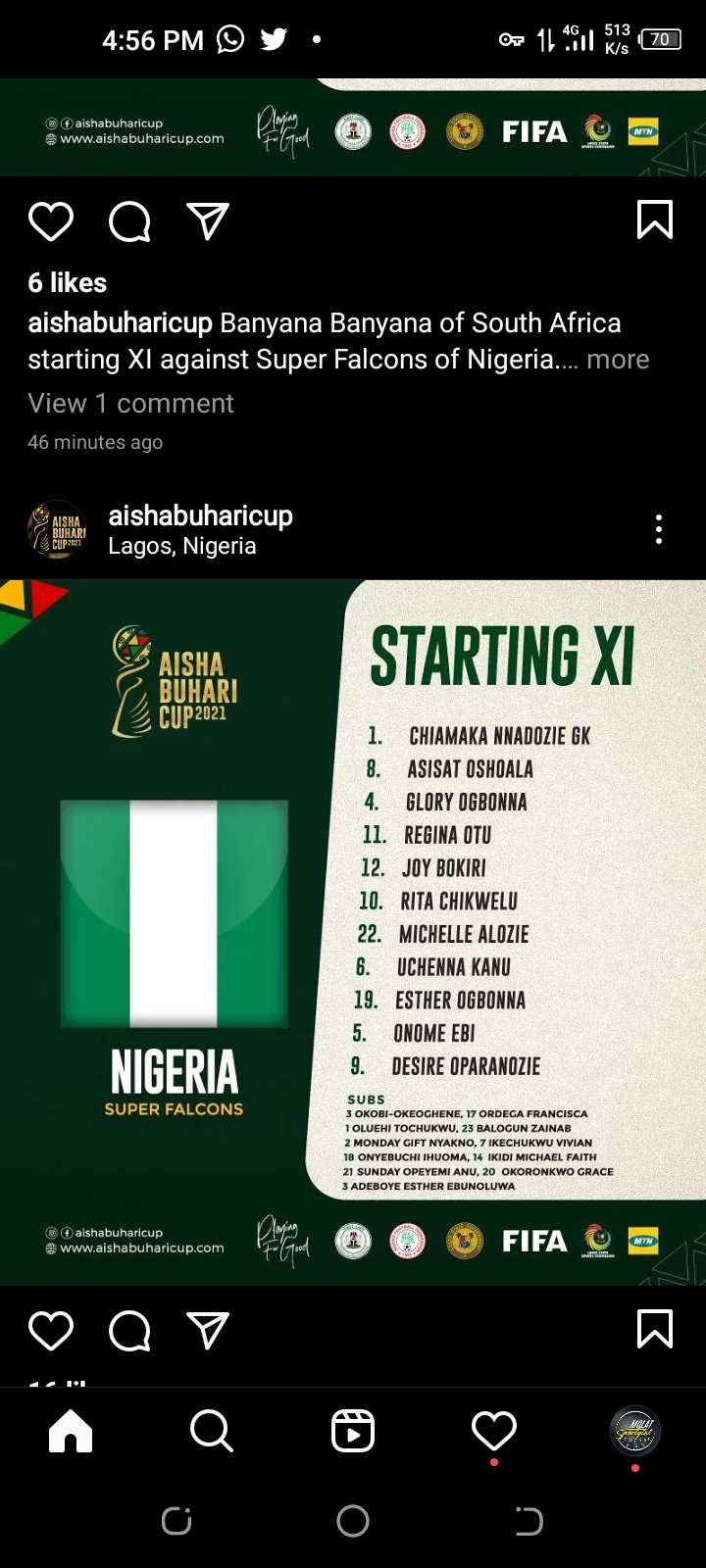
South Africa came prepared, determined and outclassed Nigeria all through the first half, with the big names once again missing and hoping on a miracle.
The COSAFA Women’s Cup champions condemned Nigeria to it’s biggest first half defeat on the continent, scoring three unreplied goals.
Coach Waldrum providing the same solution after making the same mistake as against Mali, brought on four home-based players taking their number to seven on the pitch. Their impacts was quick to felt as Vivian Ikechukwu scored brace to reduce the goal gap.
On the verge of completing a comeback, frustrated Falcons conceded a late minute penalty and hence suffered a 4-2 loss.
The maiden edition of the Aisha Buhari Tournament came to an end on Tuesday evening.
The victory saw Banyana Banyana emerged maiden Aisha Buhari Cup champions with six points from two games and avenged their 2018 TotalEnergies Africa Women’s Cup of Nations final defeat to Nigeria in Ghana and finally recorded their biggest ever win over the nine-time African winners.
Nigeria scored four goals in the tournament and all were scored by home-based players. Also, the most impressive players of the tournament happened to be young talented home based players.
While some of the players believed having too many youngies introduced at a time was causing them to adjust to accommodate the new ones, fans believed keeping the old legs together for too long is the reason for the team decline.
The tournament has now begged a question; New legs, old legs, which way to go?
References:
Brila FM
google search
https://m.guardian.ng/sport/super-falcons-tactics/amp/
Why Super Falcons coach, Dennerby resigned–NFF
Youtube
Just Photos
 MOLATsportgist